Serving Terre Haute, IN and surrounding areas. (812) 251-0473
If your older Terre Haute home has a heating bill that spikes every fall and rooms that never stay warm, the attic is almost always where the heat is going - and air sealing is the fix that insulation alone cannot provide.
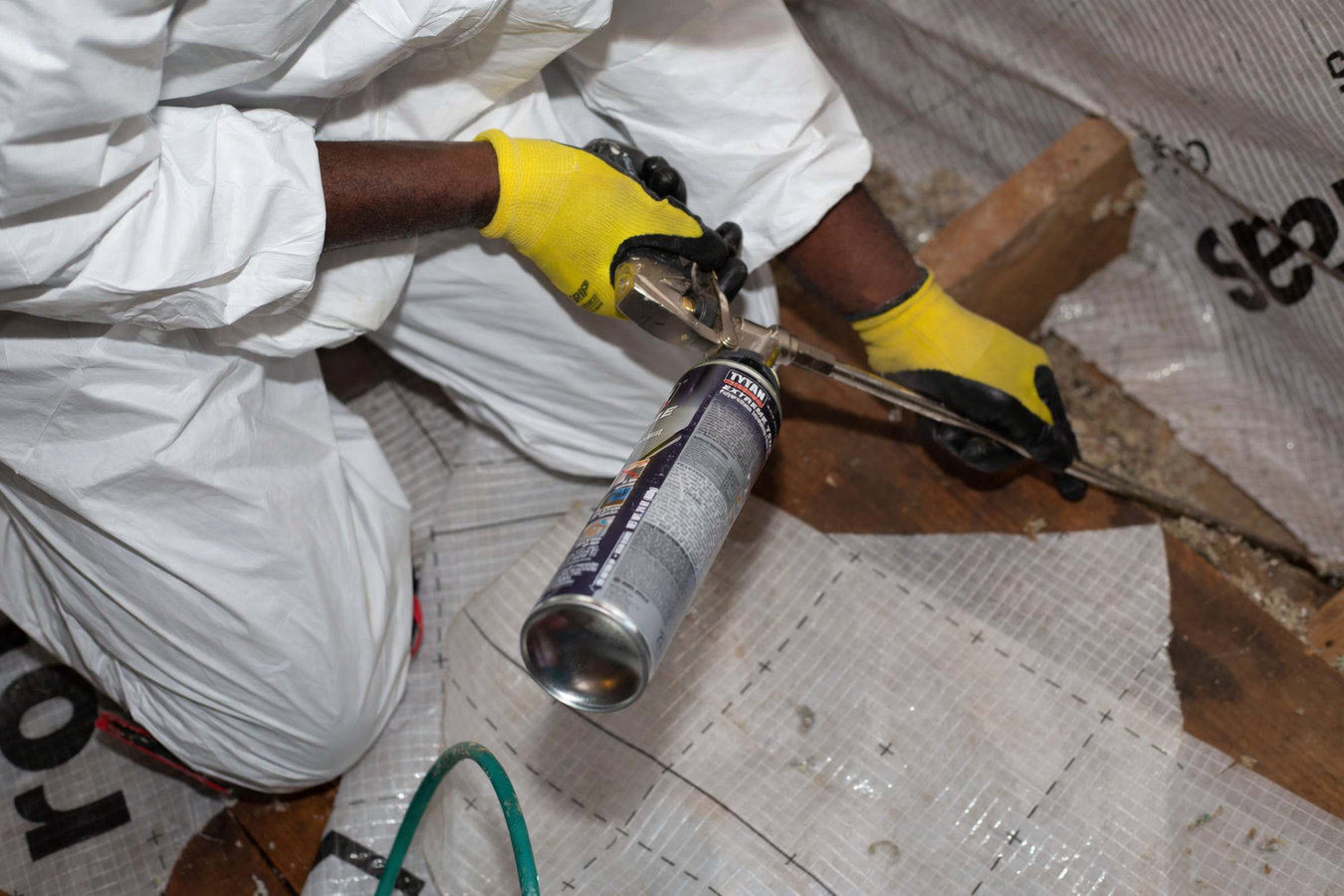
Attic air sealing in Terre Haute means a contractor finds every gap, crack, and opening in your attic floor and plugs them with foam or caulk - most jobs in a standard single-family home take two to six hours and are done entirely in the attic without touching your living space. Insulation slows heat from moving through solid surfaces, but air sealing stops heated air from escaping through gaps entirely. Air carries heat much faster than it conducts through materials, which is why many homes with adequate insulation still lose a third or more of their heating energy through leaks.
The attic is the single biggest source of air leakage in most homes. Gaps around light fixtures, plumbing stacks, and the tops of interior walls are present in virtually every Terre Haute home built before 1980 - and that covers the majority of the city's residential neighborhoods. Most contractors recommend sealing first and then insulating on top, because adding insulation without sealing underneath is one of the most common mistakes homeowners do not find out about for years. If you are thinking about both services, pairing attic air sealing with whole-home air sealing services gives you the most thorough result.
According to ENERGY STAR, the average home loses roughly a third of its heating and cooling energy through air leaks - and the attic is the single largest contributor. For Terre Haute homeowners with long heating seasons and older homes, sealing the attic is typically the highest-return improvement available.
If your gas bill jumps sharply when cold weather arrives and stays high through March, your home is working hard to replace heat that is escaping through the attic. Terre Haute's heating season runs from October through April - six months a year where every gap in your attic floor is actively pulling warm air out of your home.
A leaky attic can add meaningful dollars to your monthly bill every single winter without ever showing a visible symptom.
If bedrooms directly below your attic are consistently colder than the rest of the house in winter - even with the thermostat turned up - air is likely escaping through gaps in your attic floor. Drafts near ceiling light fixtures or around ceiling fan bases are a common giveaway, and a quick check with your hand on a cold day will confirm it.
Your furnace runs longer to compensate, raising energy costs without ever solving the comfort problem.
Homes built before modern energy codes covered a large share of Terre Haute's neighborhoods - including areas near Indiana State University, the Near Northside, and the South 7th Street corridor. These homes were built to breathe, not to be tight. Decades of settling and utility work have opened additional gaps around pipes, wires, and framing that were once small.
Every year without sealing is another year of paying for heat that is quietly escaping through gaps that have been there for decades.
Ice dams - those ridges of ice that build up along the edge of a roof in cold weather - form when warm air escaping through your attic floor melts snow unevenly. Terre Haute gets enough winter precipitation and cold snaps that ice dams are a real concern. If you have seen ice building up along your roofline or water stains on your ceiling after a cold spell, attic air sealing is likely part of the fix.
Ice dams can force water under roofing materials and cause interior water damage that costs far more to repair than the sealing work itself.
We seal every gap we find in the attic floor - around plumbing stacks, electrical penetrations, recessed lights, the tops of interior walls, and chimney chases. These are the spots that standard insulation does not address and that most homeowners never think to check. For homes where the attic has already been partially insulated, we carefully pull back existing material, seal the gaps underneath, and replace it when the work is done. The result is an attic floor that stops air movement, not just slows heat transfer.
Attic air sealing works best when paired with other envelope improvements. If your home also needs new or upgraded insulation, we can coordinate both in the same visit. For homes where moisture in lower levels is also a concern, consider pairing attic work with crawl space vapor barrier installation - addressing both ends of the building envelope gives you the most complete improvement. We assess each home on its own situation and recommend only what your specific home actually needs.
For homeowners who want every penetration in the attic floor addressed - pipes, wires, lights, and wall tops - in a single visit.
Best for homes where existing insulation needs to come out, the floor gets sealed, and new insulation goes back in on top.
For newer homes or recent renovations where only specific penetration points need attention rather than a full attic job.
For homeowners who want measurable before-and-after data showing exactly how much improvement was made.
Terre Haute sits in a climate zone where winters regularly drop into the teens and single digits, and heating season runs from October through April. That is six months every year where every gap in your attic floor is actively pulling warm air out of your home and cold air in. CenterPoint Energy - which supplies natural gas to most Terre Haute homes - has historically offered rebate programs for home energy improvements including insulation and air sealing. Checking with them before your project starts can put real money back in your pocket. The federal tax credit adds another layer of savings, currently covering up to 30 percent of qualifying project costs.
Terre Haute also experiences repeated freeze-thaw cycles each winter, where temperatures swing above and below freezing multiple times in a single week. That constant expansion and contraction works on the framing and plaster in older homes, gradually widening gaps that were once small. Homeowners throughout the area - including those we serve in Crawfordsville, IN and Greencastle, IN - face the same seasonal wear on their homes. If your home had attic sealing done five or more years ago, it is worth having it inspected again for gaps that have opened up since.
We respond within 1 business day. Tell us what has been bothering you - a high heating bill, a cold upstairs room, or ice dams you noticed last winter. That context helps us show up prepared for the assessment.
We access your attic, look at what insulation is already in place, and identify the gaps, penetrations, and leakage points. Some contractors offer a blower door test at this stage - a fan in the doorway that measures exactly how much air your home is losing - which gives you a measurable baseline before any work is done.
After the assessment you get a written estimate with a clear breakdown of what will be sealed, where, and at what cost. We will also flag whether your project qualifies for the federal tax credit or current CenterPoint Energy rebates - before you commit, not after.
The crew moves existing insulation aside, applies foam or caulk to every gap they find, and replaces the insulation when done. Most jobs take two to six hours. Materials are dry immediately - no curing period required. You receive documentation of the work completed, which you need for the federal tax credit application.
Free estimate. Written scope. No obligation - just an honest look at what your attic needs.
(812) 251-0473Terre Haute's pre-1970 homes have irregular framing, plaster ceilings, older plumbing stacks, and decades of accumulated gaps - all of which require a different approach than newer construction. We have worked on these homes throughout Vigo County and know where to look.
Every project starts with a written estimate that specifies exactly what will be sealed, where, and at what price. You agree to the scope before we schedule installation - no surprises on the day of the job and no unexpected costs when the invoice arrives.
The federal tax credit currently covers up to 30% of qualifying project costs, and CenterPoint Energy has offered rebates for Terre Haute customers on home energy improvements. We flag what you may qualify for before you commit, so you can factor it into your decision.
When a permit is required - typically when attic work is bundled with significant insulation replacement - we handle it with the City of Terre Haute's Building and Development Services office. You do not have to navigate that process yourself. Permitted work is on record with the city, which protects you at resale.
We work specifically in the Terre Haute market, which means we know the housing stock, the climate, and the utility programs available to homeowners here. That local focus is why our estimates and recommendations are specific to your home - not generic advice that applies to any house anywhere.
Learn about Building Performance Institute (BPI) standards for air sealing and home performance work
Control moisture coming up from the ground under your home - a companion upgrade that addresses the lower half of the building envelope.
Learn moreWhole-home air sealing that goes beyond the attic to address leaks at every level of the building envelope.
Learn moreFall is the busiest season for attic work in Terre Haute - schedule your assessment now so you are not paying for heat loss all winter long.