Serving Terre Haute, IN and surrounding areas. (812) 251-0473
Cold floors, musty crawl spaces, and high heating bills often trace back to one fixable problem. Closed-cell foam insulates and blocks moisture at the same time - the right solution for Terre Haute older homes.
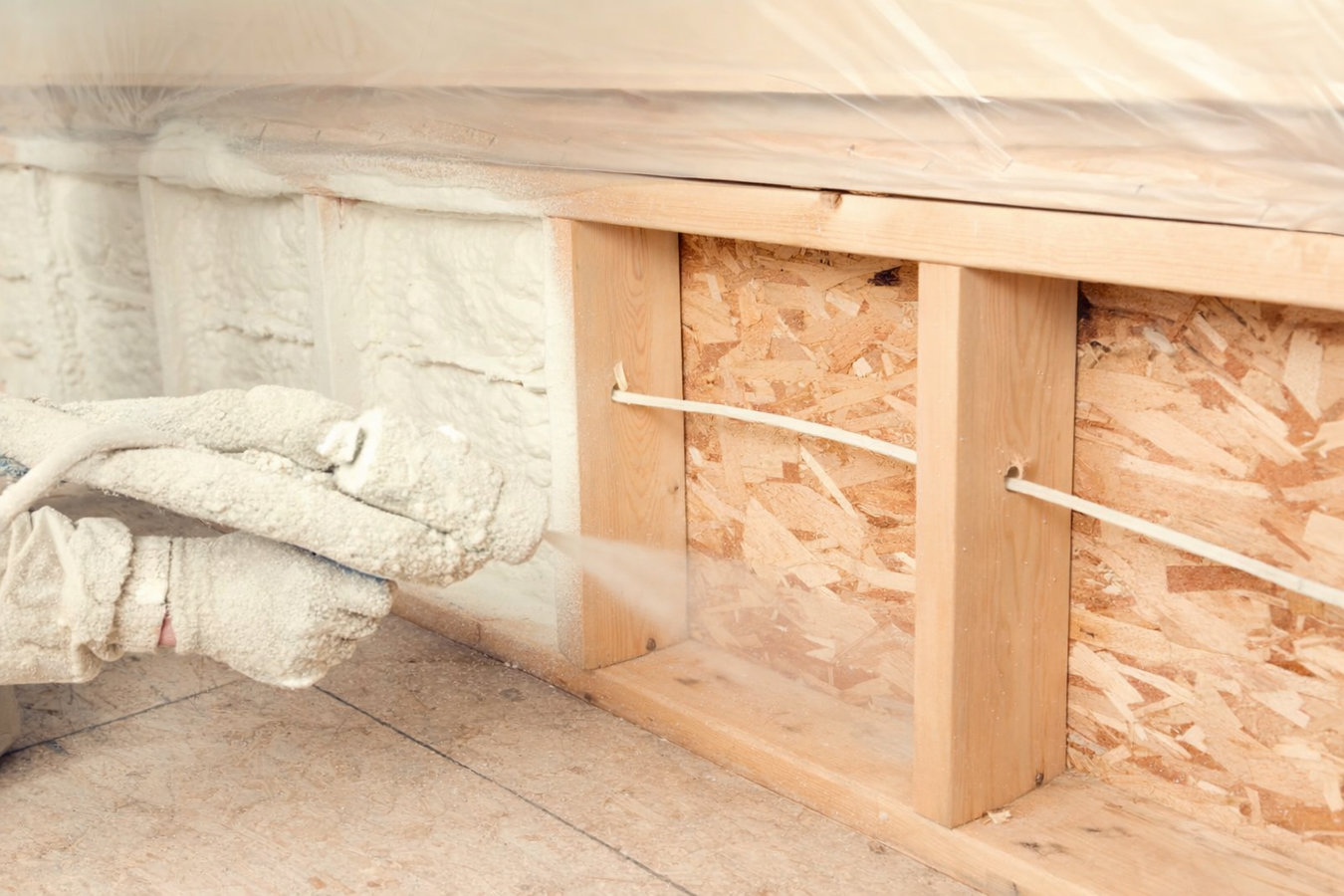
Closed-cell foam insulation in Terre Haute expands when sprayed and hardens into a dense, rigid layer that insulates and seals air leaks at the same time - most residential applications covering a crawl space, rim joist, or basement area are completed in a single day. Unlike fiberglass batts that slow heat transfer but do nothing about drafts, closed-cell foam fills every gap it encounters and creates a vapor barrier as it cures. That combination makes it particularly effective in the kinds of damp, older spaces common throughout Vigo County.
Terre Haute sits in Climate Zone 5, where winters are genuinely cold and summer humidity puts real stress on homes that are not properly sealed. Closed-cell foam handles both challenges because it resists heat transfer and blocks moisture vapor from moving through walls and floors. Many Terre Haute homeowners with older construction also benefit from pairing closed-cell foam work with broader spray foam insulation in the attic or walls to address the full thermal envelope.
The EPA provides guidance on spray polyurethane foam installation, including re-occupancy recommendations after spraying - information your contractor should explain before the job starts, not after.
Terre Haute winters are cold enough that a poorly insulated home shows it clearly on your utility bill. If your heating costs feel out of proportion to the size of your home - or have crept up year after year - inadequate insulation is one of the most common culprits. This is especially true in older homes where original insulation has settled and thinned over decades.
Each winter without proper insulation means paying more than you should to stay comfortable.
Cold floors in winter are a classic sign that the crawl space or basement below is not properly sealed or insulated. In Terre Haute older housing stock, many crawl spaces were left uninsulated or have batt insulation that has fallen away from the floor joists over time.
A poorly sealed crawl space also lets ground moisture and cold air rise directly into your living areas.
Ground moisture rising through an unsealed crawl space carries a distinctive damp, earthy smell into the living areas above. This is a common issue in homes near the Wabash River lowlands and in neighborhoods with older construction. If the smell gets worse in spring, moisture infiltration from below is the likely source.
Ongoing moisture infiltration creates conditions for mold in the floor structure over time.
The rim joist is the band of wood that runs around the top of your foundation wall, just below the first floor. In many Terre Haute homes this area was never insulated and is full of small gaps. If you go into your basement and feel cold air along the top of the foundation wall on a winter day, that is a direct path for outside air to enter your home.
An unsealed rim joist is one of the most cost-effective places to add closed-cell foam in an older home.
We apply closed-cell foam in crawl spaces, basement walls and rim joists, attic knee walls, and any area where both insulation value and moisture resistance are needed. For Terre Haute homes with vented crawl spaces that let ground moisture move freely under the floor, encapsulating the crawl space with closed-cell foam is one of the highest-impact upgrades available. The foam bonds permanently to wood framing and concrete surfaces and does not sag, shift, or fall away the way batt insulation often does over time. Homeowners who have been dealing with cold floors and musty smells for years typically notice an immediate difference after the crawl space is sealed - spray foam insulation is what makes that kind of permanent seal possible.
For areas where moisture is less of a concern and coverage area is large - like an open attic floor - we often recommend open-cell foam as a more cost-effective option, since it provides excellent air sealing at a lower price per square foot. Many homes benefit from using both types strategically: closed-cell in the crawl space and rim joist where moisture matters, open cell foam insulation in the attic where area is large and cost efficiency is the priority. We assess each space separately and recommend the right material for that specific location.
Best for homes in Terre Haute with vented or damp crawl spaces where both insulation and moisture control are needed.
Best for older homes where the band of wood at the top of the foundation wall is full of gaps and never been insulated.
Best for older block or poured-concrete foundations that need both insulation and a vapor barrier applied together.
Best for finished upper-story rooms in older homes where irregular attic framing makes other insulation types difficult to fit.
Terre Haute averages January lows in the mid-20s and summer heat indexes that regularly push above 100 degrees. That combination means your home insulation is working in both directions all year - keeping heat in during a long Indiana winter and blocking hot, humid air out during summer. Vigo County has a significant share of homes built before 1960, many with uninsulated or under-insulated crawl spaces, rim joists, and attic knee walls - exactly the spots where closed-cell foam delivers the biggest improvement. The clay-heavy soil in this part of Indiana holds moisture long after rain, which makes the vapor-barrier function of closed-cell foam especially valuable here.
We serve homeowners throughout western Indiana, including Washington, IN and Bloomington, IN, where older housing and seasonal moisture conditions make closed-cell foam one of the most practical insulation upgrades available. Indiana utility rebate programs through Duke Energy Indiana and AES Indiana have historically offered incentives for exactly this type of work - worth checking before you schedule.
We respond within 1 business day. Tell us what area of the house you are concerned about and roughly how old the home is. We ask the right questions upfront so the site visit is efficient.
We walk through the crawl space, attic, rim joist, or basement - measure the space, check for moisture or structural issues, and give you a written estimate before we leave or within one business day.
We confirm whether a permit is required with the City of Terre Haute and pull it if so before any work begins. Once permits are in order, we schedule your installation date.
Most residential jobs are completed in a single day. Plan to stay out of the treated area for at least 24 hours after spraying. We walk you through the finished work before we leave so you can see exactly what was done.
Free on-site estimate, written quote, no pressure. We respond within 1 business day.
(812) 251-0473Crawl space moisture is one of the most common problems in Terre Haute homes - many built in the 1940s through 1970s have vented crawl spaces that let ground moisture move freely under the floor. We have worked in these spaces throughout the city and know how to seal them right.
Closed-cell foam applied over an active moisture problem traps it and makes things worse. We inspect for water intrusion, drainage issues, and substrate condition before any foam goes on - because a dry, clean surface is what makes foam perform the way it should.
We confirm permit requirements through the City of Terre Haute Building and Development Services before scheduling any job that may require one. That means your project is on record, inspected, and documented - which protects you when you sell the home.
Duke Energy Indiana and AES Indiana both serve Terre Haute and have offered rebates for insulation upgrades in the past. We stay current on available programs and can walk you through the steps to apply before your project starts.
Closed-cell foam is a long-term investment - properly installed, it will not need to be replaced for the life of your home. We treat each application as a permanent part of your house and make sure the prep work and substrate are right before any foam goes on.
The Spray Polyurethane Foam Alliance publishes installation standards and contractor guidelines for spray foam work - a useful reference when evaluating contractors.
A softer, more budget-friendly spray foam option suited to interior walls and large attic surfaces where moisture is not the primary concern.
Learn moreAn overview of both spray foam types and how each is matched to the specific spaces and conditions in your Terre Haute home.
Learn moreHeating season fills our schedule fast - schedule your free estimate now and start saving before next winter.