Serving Terre Haute, IN and surrounding areas. (812) 251-0473
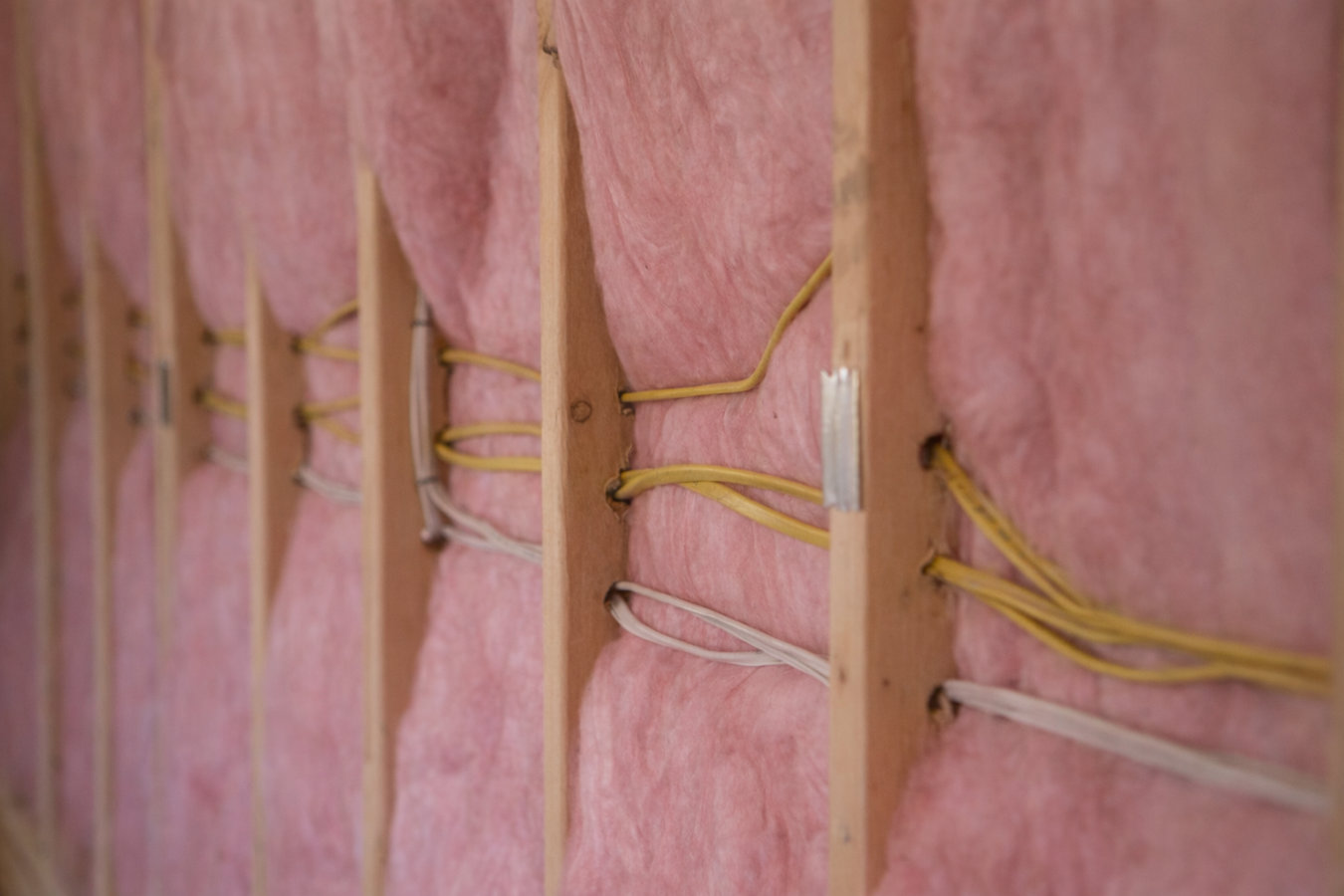
If your home was built before 1980, your walls may have little or no insulation. We fill empty cavities with blown-in insulation, keeping heat in all winter and out all summer.
Wall insulation in Terre Haute slows heat from moving through your exterior walls, keeping warmth inside in winter and blocking summer heat from creeping in - most jobs on an average home wrap up in one to two days with minimal disruption.
Many Terre Haute homes were built before the 1980s when insulation standards were far less demanding. If your exterior walls have never been insulated, you have been losing heat and cool air through them for years. The fix is straightforward: a crew drills small holes, fills each cavity with blown-in material, then patches and finishes before leaving.
Wall insulation works best alongside air sealing services. Insulation slows heat transfer, but air sealing closes the gaps that undermine even good insulation. Most homeowners see the biggest improvement when both are addressed together.
If your gas or electric bill climbs sharply in January and February even though your thermostat habits have not changed, under-insulated walls are a common culprit. Heat is escaping through the wall cavities faster than your furnace can replace it. Terre Haute winters are cold enough that this penalty shows up clearly on your bill.
If one room is always chilly in winter or stuffy in summer no matter how long the heat or air conditioning runs, the exterior walls in that room likely have little or no insulation. Run your hand along an exterior wall on a cold day - if it feels noticeably cold, heat is moving through it freely.
Hold your hand near an electrical outlet or light switch on an exterior wall on a cold winter day. If you feel cool air moving, that outlet is connected to a gap in the wall cavity that runs to the outside. This is extremely common in older Terre Haute homes and points to both an air sealing and insulation problem.
If you bought an older home and the seller disclosure or home inspection made no mention of wall insulation, there is a reasonable chance none was ever added. Many homes from this era were built with empty wall cavities - standard practice at the time. A quick assessment with a small probe or thermal camera can confirm what is actually in your walls.
We insulate exterior walls in homes across Terre Haute using two main methods, and the right choice depends on whether your walls are open or already finished. For finished walls - where drywall or plaster is already in place - blown-in insulation is the standard approach. We drill small holes at measured intervals, fill each cavity fully, then patch and finish before we leave. For open walls during a renovation, batt insulation fits between the studs before drywall goes up.
We also pair wall insulation work with blown-in insulation for attics and floors, and with air sealing services to address both heat loss and air infiltration in one visit. Homes that get both insulation and air sealing in the same project typically see the best results.
Best for finished walls in older homes - drilled holes are small, patched clean, and ready to paint.
Ideal for open-wall renovations where studs are exposed and drywall has not yet been installed.
Suited for walls that need higher density fill to prevent settling over time, especially in older two-story homes.
Closes gaps around outlets, pipes, and window frames before or during insulation work for maximum performance.
Terre Haute sits in a climate that swings hard in both directions - January lows in the mid-teens and summer highs pushing into the 90s with high humidity. That means your walls are working against outdoor conditions in both seasons, not just one. A large share of Vigo County homes were built before 1980 when insulation standards were much lower, and many of those homes still have original construction with empty wall cavities. Farrington Grove and other historic neighborhoods in particular have a concentration of pre-1940 homes that often have plaster-over-lath walls - a construction type that requires a contractor experienced with that specific setup.
We serve homeowners across the region, including Clinton, IN and Sullivan, IN. Many homes in these communities face the same combination of older construction and a demanding climate, and our approach is the same: assess what is actually in the walls before recommending anything, then fill it properly with verified coverage.
We will ask a few questions about your home and schedule a time to come out. We respond within 1 business day. We do not quote without seeing the home first.
We walk through your home, check existing insulation levels, and assess your exterior walls - sometimes using a thermal camera to see what is inside the cavities. This visit takes 30 to 60 minutes and there is no cost or obligation.
You receive a written estimate spelling out exactly what work will be done, what materials will be used, and the total cost. We will also note any rebates or tax credits that may apply to your project.
The crew drills small holes, fills each wall cavity, verifies coverage, then patches and finishes the holes before leaving. Most jobs wrap up in one to two days. The patched holes are ready to paint when we leave.
We respond within 1 business day. There is no obligation to proceed after your estimate. Once you submit, someone from our office will call to schedule a free on-site assessment at a time that works for you.
(812) 251-0473A large share of our work is in pre-1980 homes with plaster-over-lath walls - the kind common in Farrington's Grove and other historic Terre Haute neighborhoods. We know how to drill, fill, and patch these walls cleanly, without the damage that comes from contractors unfamiliar with older construction.
We check fill density before closing any hole. That might mean a probe check or thermal imaging pass. You should never have to wonder if the cavity was actually filled - we confirm it before we patch.
We work across Vigo County and the surrounding area - not just inside the city limits. Whether your home is in Terre Haute or in a nearby community, our process and pricing stay the same.
CenterPoint Energy has offered rebate programs for Terre Haute homeowners, and federal tax credits are currently available for qualifying insulation upgrades. We walk you through what applies before you commit - so the sticker price on your estimate is not necessarily what you pay.
Terre Haute homeowners deserve a contractor who actually looks at their walls before quoting and confirms the work was done right before leaving. That is the baseline we hold ourselves to on every job. Learn more about wall insulation standards and savings estimates from the U.S. Department of Energy.
Close the gaps around outlets, pipes, and framing that let conditioned air escape even after walls are insulated.
Learn moreThe same loose-fill method used for walls also works throughout attics and floor cavities for whole-home coverage.
Learn moreCall today for a free estimate - the sooner you schedule, the sooner your home holds its temperature through every Terre Haute winter.