Serving Terre Haute, IN and surrounding areas. (812) 251-0473
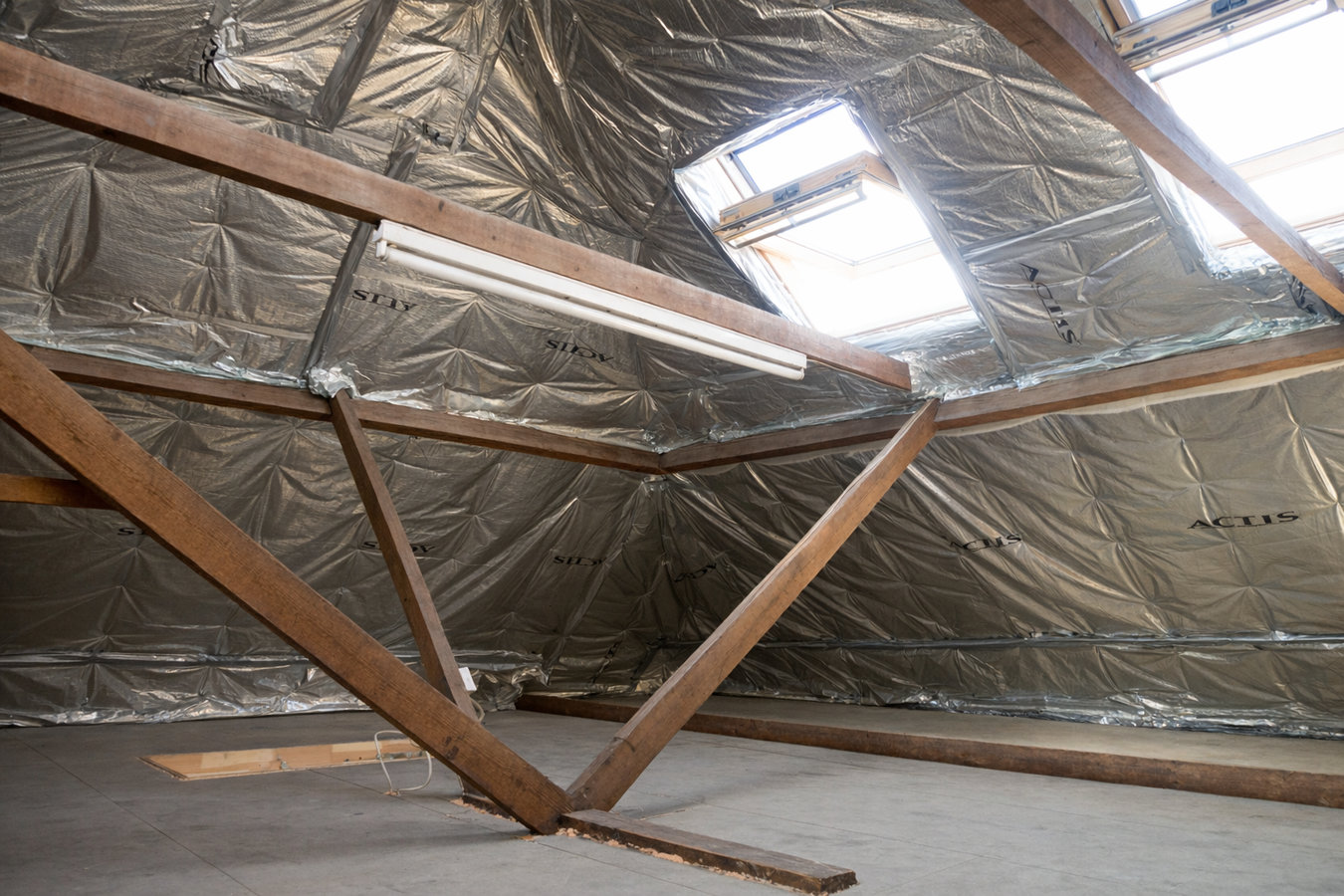
Your attic is where most of your heating money disappears every winter. Proper attic insulation keeps it inside your home - where it belongs - and makes your cooling costs more manageable all summer.
Attic insulation in Terre Haute should meet Climate Zone 5 minimums - that means roughly 13 to 15 inches of blown-in material or 10 to 14 inches of batt-style coverage to keep heat from slipping through. If you can see your attic floor joists above the insulation level, you almost certainly need more. Most homes in Terre Haute built before 1980 fall short of these benchmarks, and insulation from that era has typically settled, compressed, or absorbed moisture over the decades.
The step most homeowners skip - and most regret skipping - is air sealing before the new insulation goes in. Gaps around light fixtures, plumbing penetrations, and the tops of interior walls let warm air from your living space flow directly into the attic, undercutting whatever insulation sits on top. We seal those bypasses first, then add coverage. This is also why pairing attic insulation with attic air sealing delivers better results than adding insulation alone.
The U.S. Department of Energy recommends specific insulation depths by climate zone and provides a free resource for homeowners to understand what their attic needs - a good starting point before you call a contractor.
If your gas or electric bill climbs sharply from November through February and stays high even when you keep the thermostat steady, heat is likely escaping through your attic. Terre Haute winters are long enough that a poorly insulated attic can add hundreds of dollars to annual heating costs.
Every cold month is costing you more than it should.
If bedrooms or rooms directly below the attic feel drafty in January or stuffy in July, uneven insulation is often the cause. Heat rises, and if your attic is not holding it in, the rooms closest to the roof feel it first.
This pattern is especially common in older Terre Haute neighborhoods with minimal original attic coverage.
If you peek into your attic and the wooden framing is visible above the insulation - or if insulation looks thin, patchy, or compressed - you almost certainly do not have enough. Healthy attic insulation should be deep enough that floor joists are buried.
Visible joists are a clear sign the insulation is too thin to perform in a Terre Haute winter.
Any of these events can damage attic insulation in ways not visible from below. Wet insulation loses most of its ability to keep your home comfortable, and it can also harbor mold.
Past water or pest events should trigger an inspection before the next heating season.
For most existing Terre Haute homes, blown-in loose-fill insulation is the right choice for attics. It fills gaps and odd shapes without requiring you to tear out what is already there, and it can be added on top of existing material when the old coverage is still in acceptable condition. We use both fiberglass and cellulose blown-in material depending on the situation. When old insulation is wet, compressed, or pest-damaged, we handle the removal first - see our blown-in insulation page for more detail on material options and what each one is suited for.
We also include ventilation protection as part of every attic job. Your attic needs airflow from the soffits to the ridge to prevent moisture buildup - if those vents get blocked during installation, you trade one problem for another. We use baffles to keep the airflow path clear, which is especially important in Terre Haute's humid summers near the Wabash River valley. Every job ends with a documented depth reading and a written record of the work completed.
The most common choice for existing attics - fills gaps and irregular spaces without disturbing what is already there.
Pre-cut blanket-style insulation for accessible attic spaces with consistent framing.
Seals gaps around light fixtures, pipes, and interior wall tops - the step that makes new insulation actually perform.
For attics where old insulation is wet, compressed, pest-damaged, or contaminated before new material goes in.
Terre Haute winters regularly drop below freezing for weeks at a time, and the attic is where most of that heat loss happens in under-insulated homes. Indiana's average January low in the Wabash Valley hovers around 18 to 22 degrees Fahrenheit - cold enough that a thin attic is costing you money every single night from November through March. A large share of Terre Haute's residential housing was built in the 1940s through 1970s, and insulation from that era has had decades to settle and degrade. The Wabash River valley's higher humidity also means moisture management in attics matters more here than in drier parts of Indiana - a contractor who checks ventilation and seals bypasses before adding new material is doing the job right for this climate.
We work throughout the region, including Linton, IN and Vincennes, IN, where the same pre-1980 housing and heating season pressures apply. Duke Energy Indiana, which serves most of Terre Haute, has offered rebates for homeowners who upgrade attic insulation - ask us about current availability when you request a quote.
We respond within 1 business day. You tell us the age of your home and whether you have noticed comfort or bill issues. No technical knowledge needed before you call.
We visit your attic, measure current insulation depth, check for air leaks and ventilation issues, and look for any moisture or pest damage. This visit is free and takes 30 to 45 minutes.
You receive a written estimate covering materials, labor, and any air sealing work. We do not pressure you to decide the same day. Take time to compare quotes if you want.
Most Terre Haute attic jobs are done in a single day. We leave you with a written record of the insulation depth achieved and what was completed. The improvement is effective immediately.
We respond within 1 business day. There is no obligation - just a free attic assessment and a written quote. After you submit, someone from our office will call to schedule your free estimate at a time that works for you.
(812) 251-0473We know which attic jobs require a permit through the city's Building and Development Services department and pull them on your behalf when needed. You do not navigate that process alone.
A written record of what was installed matters when you sell your home or make an insurance claim. We hand you that documentation at the end of every job - not just a handshake.
We know the current rebate landscape for Terre Haute homeowners and can help you apply. A contractor who helps you claim available money is looking out for your wallet, not just the job.
Skipping air sealing is one of the most common reasons homeowners do not see the energy savings they expected. We seal gaps around fixtures and penetrations first - every time.
The ENERGY STAR Seal and Insulate program sets standards for what properly installed attic insulation and air sealing should accomplish. We work to those standards so the savings you expect from the project actually show up on your utility bill.
The most common method for topping up attic coverage in existing Terre Haute homes without disrupting what is already there.
Learn moreAir sealing gaps around light fixtures and plumbing before new insulation goes in - the step most homeowners skip and later regret.
Learn moreTerre Haute heating season starts early - lock in your installation date now and go into November with a home that holds heat the way it should.